

Image Source: Shutterstock
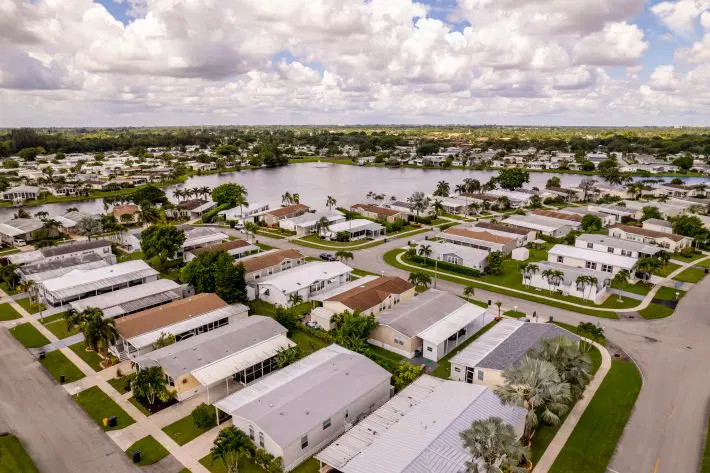
Younger adults are quietly reshaping a trend that once seemed unthinkable: moving into 55+ housing communities long before they reach retirement age. While these neighborhoods were traditionally seen as havens for older adults seeking quiet, low‑maintenance living, they’re now attracting people in their late 30s, 40s, and early 50s.
Rising housing costs, lifestyle preferences, and a desire for stability are pushing younger residents to consider options they once overlooked. For many, these communities offer a blend of affordability, amenities, and predictability that’s hard to find elsewhere. That said, here are six reasons younger adults are moving into these communities.
1. Rising Housing Costs Are Pushing Younger Adults Toward New Options
With home prices and interest rates at historic highs, many younger adults are priced out of typical single‑family neighborhoods. In contrast, 55+ housing communities often offer more affordable entry points, especially in markets where developers have built large numbers of age‑restricted homes.
These communities may also include incentives, lower HOA fees, or smaller floor plans that appeal to budget‑conscious buyers. Younger adults who prioritize financial stability see these neighborhoods as a smart long‑term investment.
2. Amenities Rival Luxury Apartment Living
Modern 55+ communities offer amenities that younger adults increasingly value, such as fitness centers, walking trails, pools, clubhouses, and social events. These features create a built‑in lifestyle that feels similar to upscale apartment living—but with the benefits of homeownership.
Younger residents appreciate the convenience of having recreation, wellness, and community activities right outside their door. These amenities also reduce the need for costly gym memberships or private clubs. For many, the lifestyle offered by 55+ housing communities is a major selling point.
3. A Desire for Peace and Safety Drives the Decision
Younger adults who are tired of noisy neighborhoods, transient renters, or unpredictable apartment living often seek out quieter environments. Age‑restricted communities typically enforce rules that maintain a peaceful atmosphere, which appeals to people who work from home or value privacy.
These neighborhoods also tend to have lower crime rates and more engaged residents. The sense of safety and community oversight provides peace of mind that’s hard to find elsewhere.
4. Early Empty Nesters Want to Downsize Sooner
Many adults in their 40s and early 50s are becoming empty nesters earlier than previous generations. Instead of waiting until retirement, they’re choosing to downsize now to simplify their lives. Smaller homes, single‑story layouts, and accessible designs make daily living easier and more efficient.
These features also help future‑proof their housing needs as they age. For early planners, 55+ housing communities offer a long‑term solution that fits both current and future lifestyles.
5. Remote Work Makes Location Less Important
The rise of remote work has freed many younger adults from needing to live near major job centers. This flexibility allows them to consider communities that prioritize quality of life over commute times. Many 55+ neighborhoods are located in quieter suburban or semi‑rural areas where homes are newer, larger, and more affordable.
Remote workers appreciate the peaceful environment and reliable infrastructure these communities provide. As remote work continues to grow, 55+ housing communities are becoming a top choice for younger professionals.
6. Stronger Community and Social Connections Are a Major Draw
Younger adults increasingly report feeling isolated, especially after years of remote work and digital communication. 55+ communities offer built‑in social structures, including clubs, classes, and neighborhood events that foster real‑world connections. Younger residents often find the community spirit refreshing compared to traditional neighborhoods where people rarely interact.
These social opportunities support mental health, reduce loneliness, and create a sense of belonging. For many, the community aspect of 55+ housing communities is the biggest benefit of all.
A Housing Trend That’s Redefining Age‑Restricted Living
The growing number of younger adults choosing 55+ housing is reshaping what these communities represent. No longer seen as retirement enclaves, they’re becoming lifestyle‑driven neighborhoods that appeal to a broader age range. With affordability challenges, remote work, and shifting lifestyle priorities, this trend is likely to accelerate in the coming years. Younger residents are discovering that these communities offer stability, amenities, and connection at a time when many traditional housing options fall short. As more people rethink their housing choices, 55+ housing communities may become one of the most influential trends in modern real estate.
Would you ever consider moving into a 55+ community before age 55? Share your thoughts in the comments!
What to Read Next
Community Centers Are Rolling Out New Free Services for Older Residents
Assisted Living Communities Are Increasing Ancillary Service Fees
New Residents in Senior Communities Are Being Charged Seasonal “Move‑In Fees”
The “Residency Exit” Fee: The Quiet OBBBA Provision That Penalizes Seniors Moving Between States
8 Housing Policy Shifts Affecting Longtime Homeowners
Amanda Blankenship is the Chief Editor for District Media. With a BA in journalism from Wingate University, she frequently writes for a handful of websites and loves to share her own personal finance story with others. When she isn’t typing away at her desk, she enjoys spending time with her daughter, son, husband, and dog. During her free time, you’re likely to find her with her nose in a book, hiking, or playing RPG video games.
