

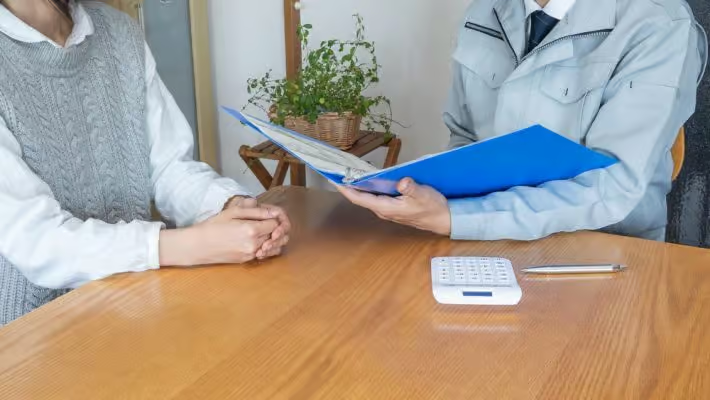
Image Source: Shutterstock
There’s something about a home repair visit that puts homeowners in a vulnerable position. You’re dealing with a problem, often urgently, and someone shows up claiming they can fix it fast. That urgency is exactly what scammers rely on to pressure people into bad decisions. In fact, about 1 in 10 Americans has experienced a contractor scam, with older homeowners targeted most often. These home repair scams can cost thousands and sometimes leave homes in worse condition than before. Here are six things you should never agree to during a home repair visit.
1. Agreeing to Pay the Full Amount Upfront
One of the biggest red flags in home repair scams is a demand for full payment before any work begins. Legitimate contractors typically require a deposit, not the entire amount. Scammers, however, often disappear once they have your money or do incomplete, low-quality work. Consumer protection agencies warn that paying up front is one of the most common ways homeowners lose money. A safer approach is to pay in stages tied to completed work milestones.
2. Saying Yes to “Today-Only” Deals or Pressure Tactics
If someone tells you a deal is only good “right now,” that’s a major warning sign. Scammers use urgency to stop you from thinking clearly or getting a second opinion. The Federal Trade Commission notes that fraudsters often push homeowners to act quickly, especially after storms or emergencies. Legitimate contractors understand that repairs are a big decision and won’t rush you into signing. If you feel pressured, it’s usually better to walk away.
3. Letting Work Start Without a Written Contract
Verbal agreements might feel convenient, but they’re a dream scenario for scammers. Without a written contract, you have little protection if something goes wrong. Experts stress that contracts should clearly outline costs, timelines, and the scope of work before anything begins. In home repair scams, vague agreements often lead to surprise charges or unfinished projects. Always insist on detailed paperwork.
4. Accepting “Extra Work” You Didn’t Request
A common tactic in home repair scams is to “discover” new problems once work begins. Suddenly, what started as a small fix turns into a much larger and more expensive project. Some scammers even exaggerate or invent issues to justify higher charges. This tactic is especially common when homeowners lack technical knowledge about repairs. Before agreeing to any additional work, get a second opinion from another licensed professional.
5. Paying in Cash or Untraceable Methods
Cash payments might seem convenient, but they’re risky in home repair situations. Scammers prefer cash because it’s difficult to trace and nearly impossible to recover. Many fraudulent contractors specifically request cash or unusual payment methods for this reason. Using a credit card or check provides a record and some level of consumer protection. If a contractor insists on cash only, consider it a serious red flag.
6. Trusting Unsolicited Door-to-Door Offers
If someone knocks on your door offering repairs, proceed with caution. Many home repair scams begin with unsolicited visits, often claiming they’re “working in the neighborhood” or noticed a problem. These offers may sound convenient, but they’re frequently used to target unsuspecting homeowners. In some cases, scammers even cause damage to justify their services. Always research a company independently before agreeing to any work.
Why These Mistakes Can Be Costly
The consequences of falling for home repair scams can be devastating. In one case, a couple lost thousands and ended up with significant structural damage after hiring a fraudulent contractor.
On a larger scale, scams targeting older adults alone resulted in over $3.4 billion in losses in a single year. These aren’t just minor inconveniences. They can wipe out savings and create long-term financial stress. That said, being prepared is your best defense against any home repair scam.
Before you hire anyone, verify all of their information and licensing. Check reviews for the business and be sure to get multiple quotes to compare pricing. Always be wary of anyone using pressure tactics, and be skeptical if they are suddenly finding unexpected things to fix.
Then, after the job, review all the work carefully before making any final payments. A little extra diligence on your part can make all the difference.
Slow Down and Verify Everything
Never rush decisions during a home repair visit. Scammers thrive on urgency, confusion, and trust, especially when homeowners feel stressed. By slowing down and verifying every detail, you take back control of the situation. Home repair scams rely on quick agreements, not careful thinking. When you pause, ask questions, and double-check credentials, you dramatically reduce your risk.
Have you ever had a contractor give you a bad feeling or pressure you during a home repair visit? Share your experience in the comments.
What to Read Next
3 Places Seniors Can Get 0% or Low‑Interest Emergency Loans for Home Repairs
Home Repair Delays Are Increasing Costs for Aging Houses
How Predatory Lenders Target Seniors With “Home Repair” Scams
Drew Blankenship is a seasoned automotive professional with over 20 years of hands-on experience as a Porsche technician. While Drew mostly writes about automotives, he also channels his knowledge into writing about money, technology and relationships. Based in North Carolina, Drew still fuels his passion for motorsport by following Formula 1 and spending weekends under the hood when he can. He lives with his wife and two children, who occasionally remind him to take a break from rebuilding engines.
