

Image Source: Shutterstock
If someone calls you saying you need to pay for a replacement Medicare card, hang up immediately—because it’s almost certainly a scam. This tactic has been targeting older Americans for years, and it’s becoming more aggressive as scammers get more sophisticated. Many victims don’t realize they’ve been tricked until their personal information or money is already gone. For retirees living on fixed incomes, even a small loss can have a big impact. The truth is simple and powerful: you should never pay for a replacement Medicare card under any circumstance.
The Truth About Medicare Cards (And Why They’re Always Free)
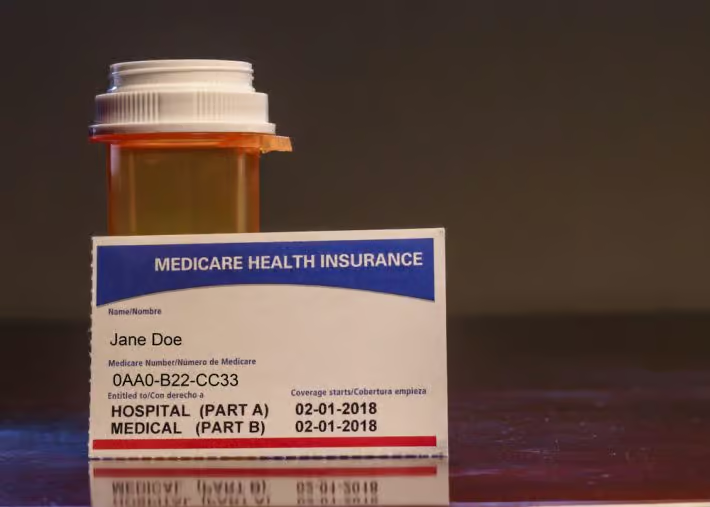
Here’s what many people don’t realize: Medicare cards are always issued for free by the government. You don’t need to pay a fee, provide payment details, or “upgrade” your card. Even when Medicare has made changes in the past, new cards were automatically mailed at no cost. Centers for Medicare & Medicaid Services confirms that beneficiaries do not need to take action or pay to receive a card.
If anyone tells you otherwise, that’s your first red flag. Scammers rely on confusion and urgency to convince people to hand over money or personal information.
How the Medicare Card Scam Actually Works
The Medicare card scam usually starts with an unexpected phone call, text, or email. The caller may claim your card is expiring, compromised, or being replaced with a “new version.” They often create urgency by saying you must act immediately or risk losing your benefits.
Some even offer “plastic cards” or cards with chips to sound more legitimate. In reality, Medicare cards are paper-based and don’t require upgrades. The goal isn’t just a small payment—it’s to steal your Medicare number, Social Security number, or banking information for larger fraud.
Why Paying for a Replacement Card Is Always a Scam
There is one rule that experts repeat over and over: you should never pay for a replacement Medicare card. Government agencies will never charge you for issuing or replacing your card.
If someone asks for a “processing fee,” “shipping charge,” or “verification payment,” it’s a scam. These requests are designed to look small and harmless, making people more likely to comply. Once payment is made, scammers often escalate their requests for more sensitive information. Paying even a small amount can open the door to larger financial loss.
The Real Risk: Identity Theft and Medical Fraud
The biggest danger of the Medicare card scam isn’t the fee—it’s what happens next. Your Medicare number is like a credit card for healthcare services. If scammers get it, they can bill Medicare for services you never received.
This can lead to denied coverage, incorrect medical records, and long-term complications. Some victims even discover fraudulent charges months later. Recovering from medical identity theft can take significant time and effort. That’s why protecting your information is critical.
Red Flags That Should Make You Hang Up Immediately
Recognizing the warning signs of a Medicare card scam can protect you instantly. Unsolicited calls claiming to be from Medicare are a major red flag, since Medicare typically communicates by mail.
Pressure tactics, like threats of losing coverage, are another common trick. Requests for personal or financial information should always raise suspicion. Promises of “free benefits” or bonuses tied to your card are also fake. If anything feels rushed or confusing, it’s safer to hang up and verify independently.
What Medicare Will—and Won’t—Do
Understanding how Medicare actually operates can help you avoid scams. Medicare will never call you unexpectedly to ask for personal or financial information.
They won’t threaten to cancel your benefits over the phone. They also won’t charge you to issue or replace your card. Legitimate communication usually comes through official mail or through accounts you set up yourself. Knowing these rules makes it much easier to spot a Medicare card scam.
How to Safely Replace Your Medicare Card
If you truly need a replacement Medicare card, there is a safe and simple process. You can request one directly through your official Medicare account or by calling Medicare yourself. This ensures you’re dealing with legitimate representatives.
There is no fee, no urgency, and no risk when you initiate the request. Never rely on someone who contacts you first, offering to “help.” Taking control of the process is the safest approach. When in doubt, always go directly to official sources.
Protecting Yourself Means Staying One Step Ahead
The Medicare card scam continues to target seniors because it works—but only when people don’t know the rules. Once you understand that replacement cards are always free, the scam falls apart instantly. The key is to stay calm, avoid rushing into decisions, and never share personal information with unsolicited callers. A few seconds of caution can prevent months of stress and financial loss. Protecting your Medicare information is one of the simplest—and most important—steps you can take for your financial and health security.
Have you ever received a suspicious Medicare call or message? Share your experience in the comments to help others stay protected.
What to Read Next
The 1.3 Million List: Why Medicare Is Replacing ID Numbers for 1.3 Million Enrollees
Your 2026 Medicare Advantage Plan May Deny Your Next ‘Emergency’ MRI-Here’s Why
Medicare Tip: Adults 65+ Can Use HSA Funds for Part B, Part D, and MA Premiums Tax‑Free
Amanda Blankenship is the Chief Editor for District Media. With a BA in journalism from Wingate University, she frequently writes for a handful of websites and loves to share her own personal finance story with others. When she isn’t typing away at her desk, she enjoys spending time with her daughter, son, husband, and dog. During her free time, you’re likely to find her with her nose in a book, hiking, or playing RPG video games.
