

Image Source: Shutterstock
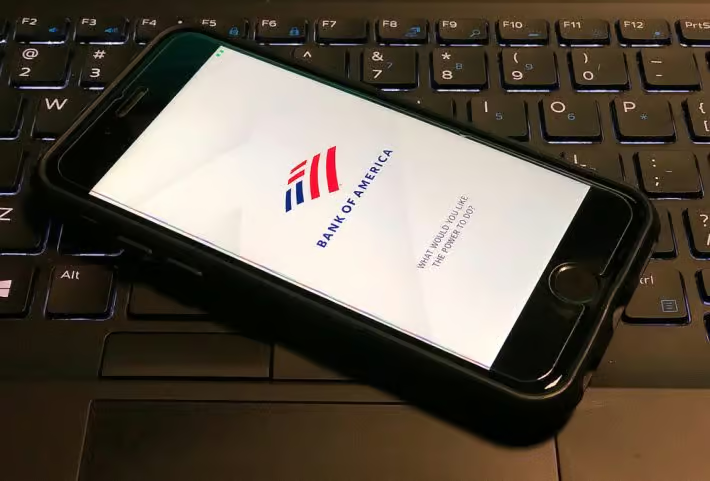
If your banking app suddenly stopped working—or refuses to update—you’re not alone. In 2026, a growing number of banks are rolling out app updates that block older smartphones entirely, leaving thousands of users locked out of their accounts. For many, especially older adults who rely on familiar devices, this feels like it came out of nowhere. But behind the scenes, banks say it’s about security, not inconvenience. The problem is, if your phone can’t keep up, you may lose access to essential financial tools overnight. Here’s what’s really happening—and what you can do about it.
Why Bank Apps Are Suddenly Dropping Older Phones
Banks are tightening their mobile app requirements primarily because of security risks. Older smartphones often stop receiving critical updates, making them vulnerable to fraud, malware, and data breaches. As a result, many financial institutions now require newer operating systems to protect users. For example, some banking apps now require iOS 16 or newer just to function. That means older iPhones—and many Android devices—are automatically excluded.
The New Minimum Requirements Locking People Out
The biggest shock for users is how quickly the minimum requirements are rising. Many banks now require at least Android 11 or newer and iOS 15 or higher to run their apps. Some institutions are going even further, phasing out support for Android 10 and iOS 15 entirely in 2026. If your device can’t upgrade to those versions, the app simply won’t open. This is why so many people are suddenly experiencing login failures.
Why You Can’t Just “Ignore the Update”
In the past, you could skip app updates and keep using an older version. That’s no longer the case with most banking apps. Financial institutions now enforce updates to maintain compliance with security standards and encryption protocols. Older app versions may be blocked entirely, preventing logins or transactions. This means even if your phone technically works, the app won’t.
Why Security Is the Real Driving Force
Banks are under pressure to prevent fraud and comply with stricter regulations. Outdated phones lack modern encryption, biometric authentication, and protection against new cyber threats. Financial apps now rely on advanced security features that older devices simply don’t support. Hackers often target outdated systems because they’re easier to exploit. By blocking older phones, banks reduce their risk—and yours.
What Happens If You Don’t Upgrade Your Phone
If your device can’t meet the new requirements, your options become limited. You may lose access to mobile banking entirely, including transfers, bill payments, and alerts. Some banks allow you to log in through a web browser, but features are often reduced. In certain cases, you may need to visit a branch or call customer service for basic tasks. This can be especially frustrating for seniors who rely on mobile access.
How to Check If Your Phone Is at Risk
The easiest way to avoid surprises is to check your phone’s operating system version. On iPhones, go to Settings > General > About to see your iOS version. On Android, check Settings > About Phone > Software Information. Then compare your version to your bank’s minimum requirements. If you’re below iOS 15 or Android 11, you may already be at risk. Staying ahead of these updates can prevent sudden lockouts.
What You Can Do Right Now to Stay Connected
If your phone is still supported, update your operating system and apps immediately. If it’s not, consider upgrading to a newer device that will receive ongoing security updates. Even a mid-range smartphone released in the last few years can solve the issue. You can also set up online banking access on a computer as a backup. For added security, enable two-factor authentication and alerts.
This Trend Isn’t Going Away
The shift toward stricter mobile banking requirements is only accelerating. As technology evolves and threats increase, banks will continue raising their standards. That means older phones will keep getting phased out, sometimes faster than expected. While frustrating, these changes are designed to protect your finances in a digital-first world. The key is staying informed and planning ahead. If you adapt early, the bank app update older phones issue won’t catch you off guard again.
Has your banking app stopped working on your phone, or are you worried it might soon? Share your experience in the comments!
What to Read Next
2 Scams That Could Wipe Your Retirement Account (And Banks Can’t Help You)
Banks Are Turning Away Coin Rolls? What to Do With Thousands in Change
Check Washing Alert: Why Leaving Checks in Your Mailbox Can Put Your Bank Account at Risk
Amanda Blankenship is the Chief Editor for District Media. With a BA in journalism from Wingate University, she frequently writes for a handful of websites and loves to share her own personal finance story with others. When she isn’t typing away at her desk, she enjoys spending time with her daughter, son, husband, and dog. During her free time, you’re likely to find her with her nose in a book, hiking, or playing RPG video games.
Read More
Bank fees used to be a penalty for bad behavior, like bouncing a check, but…
You might think your bank app is secure—especially with face ID, passcodes, and fraud alerts—but…
Being smart with your money means that you pay attention to earning, budgeting, saving, investing,…
Imagine standing at the pharmacy counter to pick up a prescription, only to have your…
Banking apps have become central to money management. Sleek designs and easy navigation attract retirees…
For decades, retirees were told to keep their savings safe in banks, FDIC-insured, easily accessible,…
