

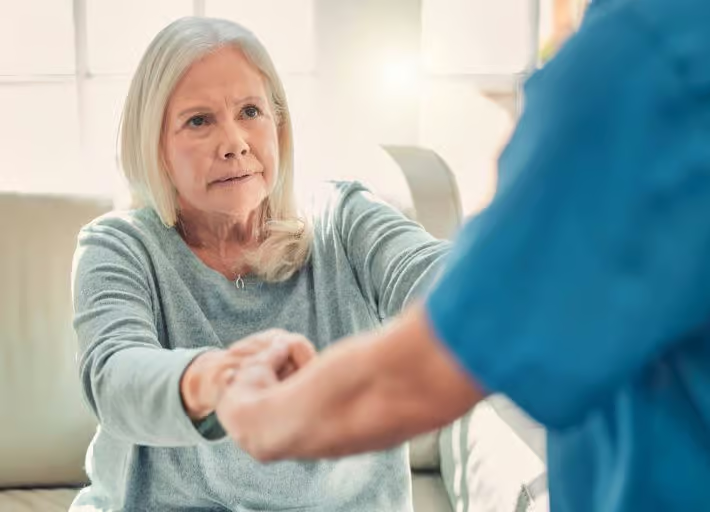
Image Source: Shutterstock
Leaving the hospital can feel like a relief—but for many seniors, it’s actually the most vulnerable moment in their recovery. The first 48 hours after discharge often determine whether healing continues smoothly or complications send them right back to the hospital. That’s why healthcare professionals increasingly emphasize the “48-hour rule,” a simple concept with powerful results: start follow-up care immediately. From medication confusion to missed symptoms, small gaps in care can quickly turn into serious setbacks.
Why the First 48 Hours Matter So Much
The period immediately after discharge is when seniors are most at risk for complications and confusion. Many leave the hospital with new medications, unclear instructions, or unresolved symptoms that require close monitoring. Studies show that hospital readmissions remain a major issue, with some elderly patients returning within weeks of discharge. Even minor issues—like dehydration or medication errors—can escalate quickly without early intervention. That’s why the first 48 hours are considered a critical transition point in recovery.
What the “48-Hour Rule” Actually Means
The “48-hour rule” refers to initiating follow-up care—such as a phone call, home visit, or doctor appointment—within two days of leaving the hospital. This early contact helps identify potential problems before they worsen. It also gives patients and caregivers a chance to clarify discharge instructions and ask important questions. While some guidelines focus on follow-ups within 7 to 30 days, experts increasingly recognize that earlier is often better for high-risk seniors. The goal is simple: close the gap between hospital care and home recovery.
1. Early Follow-Up Reduces Hospital Readmissions
One of the strongest benefits of immediate follow-up care is a lower risk of readmission. Research shows that outpatient follow-up can reduce 30-day readmissions by about 21%, especially for conditions like heart failure and stroke. In real-world programs, structured follow-up reduced readmissions from nearly 20% to around 13%. That’s a meaningful difference for both patient health and healthcare costs. The earlier the follow-up begins, the greater the chance of catching issues early.
2. Medication Errors Are Caught Faster
Medication changes are one of the biggest risks after hospital discharge. Seniors are often prescribed new drugs or adjusted dosages, which can be confusing to manage alone. A follow-up call or visit within 48 hours allows healthcare providers to review medications and correct mistakes. This can prevent dangerous interactions, missed doses, or overdosing. In many cases, this simple check can be the difference between recovery and a return to the hospital.
3. Symptoms Are Monitored Before They Escalate
Not all complications are obvious right away, which is why early monitoring matters. Symptoms like shortness of breath, swelling, or dizziness can worsen quickly without intervention. Follow-up care ensures that warning signs are identified and addressed before they become emergencies. Seniors may also feel more comfortable reporting concerns when prompted by a healthcare professional. This proactive approach helps prevent avoidable setbacks.
4. Care Plans Are Reinforced and Clarified
Hospital discharge instructions can be overwhelming, especially after a stressful medical event. Seniors and caregivers may forget key details about diet, activity levels, or follow-up appointments. A 48-hour check-in provides an opportunity to reinforce these instructions in a calmer setting. It also allows providers to tailor guidance based on how the patient is actually feeling at home. Clear communication at this stage improves adherence and outcomes.
5. Caregivers Get Support When They Need It Most
Family caregivers often step in immediately after discharge, but they may feel unprepared. The first couple of days can be filled with uncertainty about how to manage care properly. Early follow-up gives caregivers access to guidance, reassurance, and practical advice. This support can reduce stress and improve the quality of care provided at home. It also helps caregivers avoid common mistakes that could lead to complications.
6. Seniors Feel More Confident and Less Anxious
Recovery isn’t just physical—it’s emotional too. Many seniors feel anxious after leaving the hospital, especially if they’re unsure about their health status. A quick follow-up provides reassurance and builds confidence in the recovery process. Knowing that someone is checking in can make a significant psychological difference. This emotional support often translates into better overall outcomes.
7. Care Coordination Improves Across Providers
One of the biggest challenges in healthcare is ensuring smooth communication between hospital teams and outpatient providers. The 48-hour rule helps bridge this gap by connecting patients with primary care doctors or specialists quickly. Better coordination reduces the risk of duplicated tests, missed appointments, or conflicting instructions. It also ensures that everyone involved in the patient’s care is on the same page. This continuity is essential for successful recovery.
Common Misconceptions About Follow-Up Timing
Some people assume that a follow-up visit within a week or two is sufficient, but that delay can leave a dangerous gap in care. While research shows benefits from follow-ups within 30 days, earlier contact is especially important for high-risk seniors. Another misconception is that follow-up must be an in-person visit, when phone calls or telehealth can be just as effective initially. The key is timing, not format. Acting quickly makes all the difference.
Have you or a loved one experienced challenges after leaving the hospital? Do you think earlier follow-up care would have helped? Share your thoughts in the comments.
What to Read Next
Hospitals Are Discharging Seniors Faster in 2026 — Here’s What’s Driving the Shift
5 Shocking Reasons Emergency Rooms Are Denying Seniors
New Data on Heart Failure: Why Hospitalizations Surge Among Americans Over 65
Medicare Covers Free Meal Deliveries After Hospital Stays — A Little‑Known Perk That Speeds Recovery
More Seniors Are Being Denied Coverage for Skilled Nursing Care—And Appeals Are Surging
Amanda Blankenship is the Chief Editor for District Media. With a BA in journalism from Wingate University, she frequently writes for a handful of websites and loves to share her own personal finance story with others. When she isn’t typing away at her desk, she enjoys spending time with her daughter, son, husband, and dog. During her free time, you’re likely to find her with her nose in a book, hiking, or playing RPG video games.
