

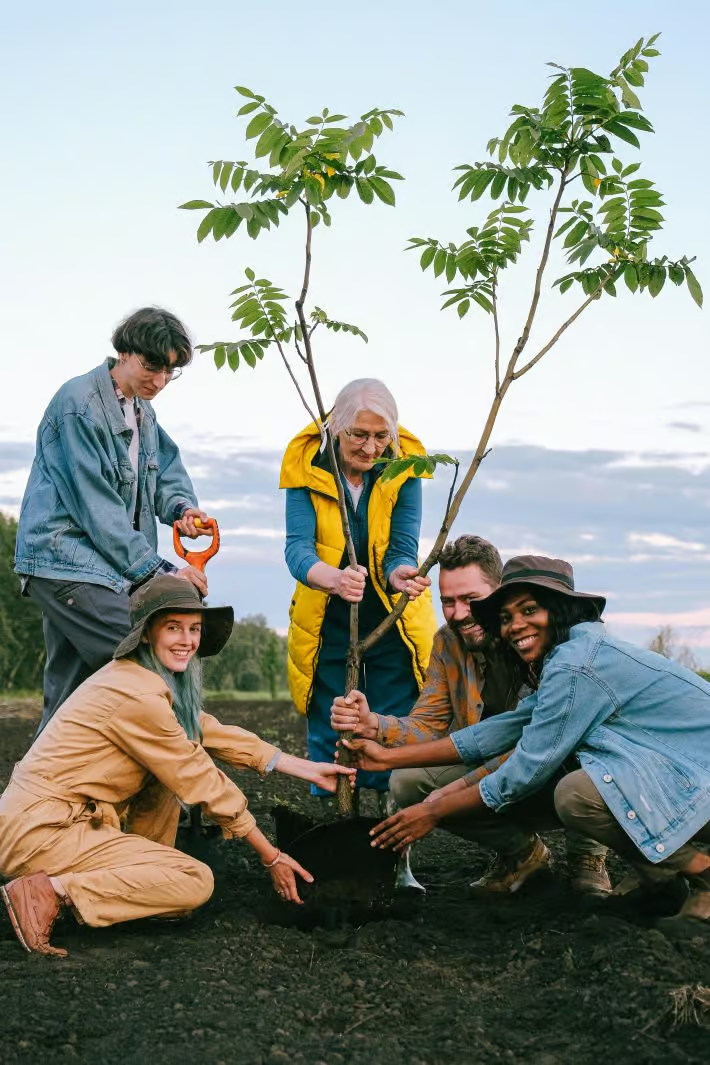
Seniors are volunteering to spend their weekends outside as part of conservation projects, and it’s helping their overall well-being. Pexels
For years, the ideal weekend escape often involved a massage, a quiet resort, or a relaxing spa treatment. While those options remain popular, a growing number of older adults are finding a different kind of rejuvenation through hands-on environmental projects. From planting native wildflowers and restoring hiking trails to removing invasive species and helping pollinator habitats recover, seniors are increasingly embracing what some communities call the rewilding weekend. Instead of focusing solely on personal relaxation, these activities combine physical movement, social connection, and environmental stewardship.
Here’s what you need to know about this growing trend, and what you can do to get involved.
Rewilding Projects Offer More Than Physical Activity
Many seniors understand the importance of staying active, but traditional exercise routines can sometimes feel repetitive. Local restoration projects provide opportunities to move naturally while working toward a meaningful goal. Activities such as planting trees, collecting seeds, maintaining trails, and restoring native habitats involve walking, bending, lifting, and stretching in a practical setting. Participants often report that the work feels less like exercise and more like contributing to something larger than themselves.
Nature Exposure Supports Mental Well-Being
Research has consistently shown that spending time in natural environments can support emotional and psychological health. Many retirees describe feeling calmer, more focused, and less stressed after participating in outdoor conservation projects. Unlike a brief visit to a park, restoration activities often encourage deeper interaction with local ecosystems. Participants may learn about native plants, wildlife habitats, and environmental challenges affecting their communities.
Social Connections Often Develop Naturally
One of the challenges some retirees face is maintaining meaningful social interaction after leaving the workforce. Volunteer-based restoration projects bring together people who share common interests and values. Conversations tend to develop naturally while planting, clearing brush, or working on community improvement projects. Many participants form friendships that extend beyond the restoration effort itself. For seniors who may not enjoy traditional social clubs or organized activities, rewilding weekend programs provide a comfortable and purposeful way to meet new people.
Participants Often See Tangible Results
A spa day may provide relaxation, but the benefits are often temporary. Restoration projects allow volunteers to see visible evidence of their efforts over time. A previously neglected area may become a thriving pollinator garden, a restored trail, or a healthier wildlife habitat. Returning to these locations months later can provide a strong sense of accomplishment and pride. Many seniors find satisfaction in knowing that their work will benefit future generations and local ecosystems long after the project is complete.
Rewilding Can Be Budget-Friendly
Retirement often encourages people to seek meaningful experiences without unnecessary spending. Spa treatments, weekend getaways, and luxury wellness retreats can be expensive, especially for retirees living on fixed incomes. Most community restoration projects are free to participate in and may even provide tools, training, and refreshments. This allows seniors to enjoy an enriching weekend activity without straining their budget.
Environmental Stewardship Creates a Sense of Purpose
Many retirees reach a stage in life where purpose becomes just as important as relaxation. Participating in habitat restoration, tree planting, or conservation efforts allows individuals to contribute directly to their communities. Some volunteers view their involvement as a way to leave a positive legacy. Others appreciate the opportunity to address environmental concerns they care deeply about.
Safety and Accessibility Are Improving
Some seniors may assume restoration work is too physically demanding. In reality, many organizations now offer projects designed for participants with varying mobility levels and physical abilities. Tasks may range from collecting native seeds and documenting wildlife observations to light gardening and educational outreach. Volunteer coordinators increasingly recognize the value of making projects accessible to people of all ages. As a result, more seniors are discovering opportunities that align with their comfort level and abilities.
Why Digging in the Dirt May Be the New Self-Care Trend
The growing interest in the rewilding weekend reflects a broader shift in how some seniors view leisure time. Rather than choosing activities that focus solely on relaxation, many are seeking experiences that combine personal well-being with meaningful community impact. Restoration projects offer physical activity, social engagement, environmental stewardship, and a sense of purpose, which are all without the high costs often associated with traditional wellness retreats. While spa days certainly have their place, more retirees are discovering that planting a tree or restoring a habitat can be equally restorative. Sometimes the most rewarding way to recharge is to help something else grow.
Would you spend a weekend helping restore local habitats or conservation areas? Why or why not? Share your thoughts in the comments below.
What to Read Next
The ‘Click It or Ticket’ Sweep: Why Holiday Weekend Patrols Are Increasing Seat Belt Enforcement Statewide
FDA “Class I” Alert: The 3 Specific Beverage Mixes Seniors Should Throw Away Immediately This Weekend
9 Romantic Weekend Ideas That Don’t Require Big Travel or Big Money
Drew Blankenship is a seasoned automotive professional with over 20 years of hands-on experience as a Porsche technician. While Drew mostly writes about automotives, he also channels his knowledge into writing about money, technology and relationships. Based in North Carolina, Drew still fuels his passion for motorsport by following Formula 1 and spending weekends under the hood when he can. He lives with his wife and two children, who occasionally remind him to take a break from rebuilding engines.
